
Italian Easter Cookies are a delightful holiday treat that perfectly capture the joy and tradition of spring celebrations. These soft, lightly sweet cookies are topped with a simple glaze and colorful sprinkles, making them as beautiful as they are delicious. Whether you’re baking for family gatherings or simply embracing seasonal traditions, Italian Easter Cookies are easy to make and always a crowd-pleaser.
With their tender texture and subtle vanilla flavor, these classic cookies are a staple in many Italian households during Easter. The best part is how customizable they are, allowing you to shape, decorate, and flavor them to suit your preferences.
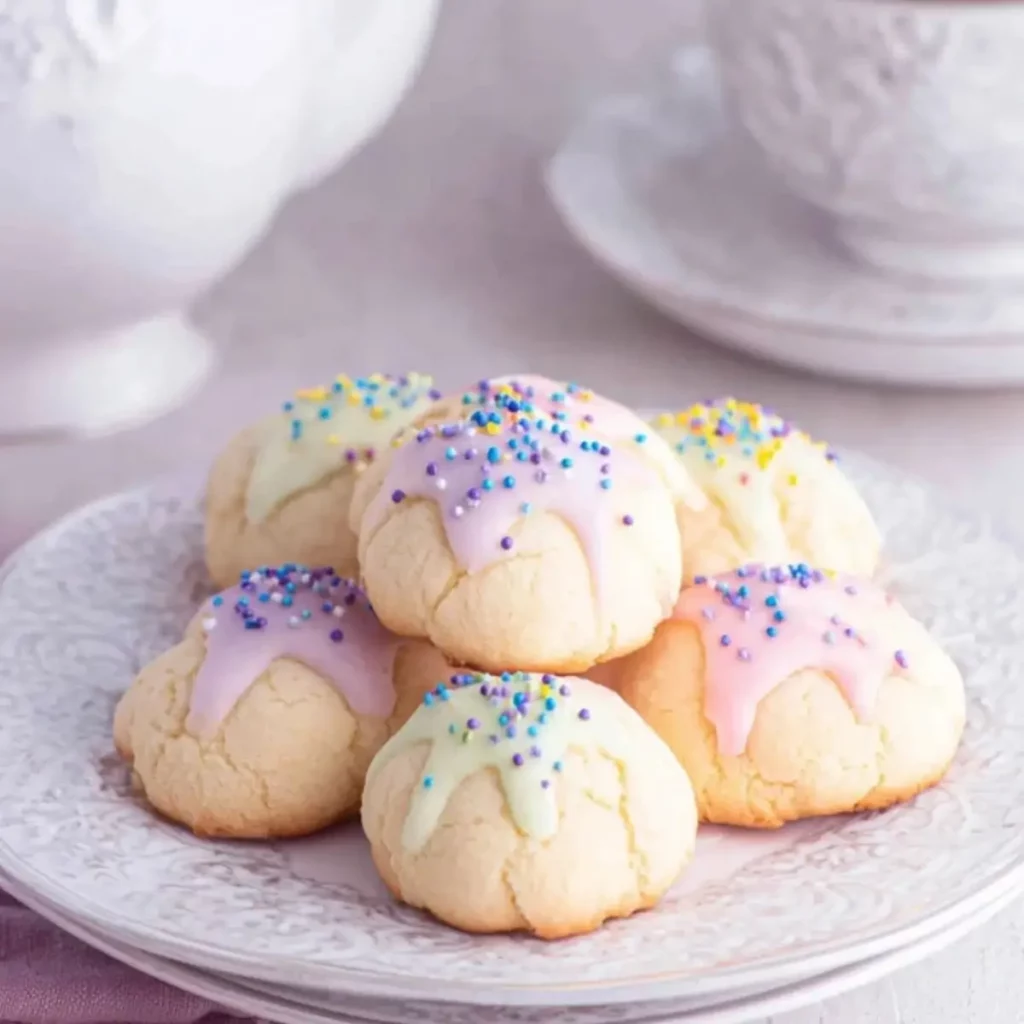
Table of Contents
Why You’ll Love These Italian Easter Cookies
Italian Easter Cookies are beloved for their simplicity and versatility. They require basic pantry ingredients, making them accessible even for beginner bakers.
These cookies have a soft, cake-like texture rather than a crunchy bite, which makes them unique compared to other traditional cookies. The light glaze adds sweetness without overpowering the delicate flavor of the dough.
Another reason to love Italian Easter Cookies is their festive appearance. Bright sprinkles and pastel icing instantly make them perfect for Easter celebrations, brunch tables, or edible gifts.
They are also incredibly adaptable. You can shape them into rings, knots, or simple rounds, making them fun for both kids and adults to decorate.
Ingredients for Italian Easter Cookies
• All-purpose flour: Provides the structure and base for the cookies
• Granulated sugar: Adds sweetness and helps create a tender crumb
• Baking powder: Gives the cookies their soft, fluffy texture
• Salt: Balances sweetness and enhances overall flavor
• Eggs: Bind the ingredients and add richness
• Butter: Contributes to a soft texture and buttery flavor
• Milk: Helps create a smooth dough consistency
• Vanilla extract: Adds a warm, aromatic flavor typical of Italian Easter Cookies
For the glaze:
• Powdered sugar: Creates the smooth, sweet icing
• Milk: Adjusts the consistency of the glaze
• Vanilla or almond extract: Adds depth to the glaze flavor
• Sprinkles: Provide color and festive decoration
Ingredient Substitutions and Variations
If you need to adapt your Italian Easter Cookies, there are several easy substitutions.
You can use almond extract instead of vanilla for a more traditional Italian flavor. For a dairy-free version, substitute butter with plant-based alternatives and use almond or oat milk.
Gluten-free flour blends can replace all-purpose flour, though the texture may vary slightly. If you prefer a less sweet version, reduce the sugar in the glaze or skip it altogether and dust the cookies with powdered sugar.
Step-by-Step Instructions for Italian Easter Cookies
- Preheat your oven to 350°F (175°C) and line baking sheets with parchment paper. This ensures the Italian Easter Cookies bake evenly and don’t stick.
- In a large bowl, whisk together flour, baking powder, and salt. This step evenly distributes the leavening agent, which is essential for soft cookies.
- In another bowl, cream together butter and sugar until light and fluffy. This process incorporates air, giving the Italian Easter Cookies their soft texture.
- Add eggs one at a time, mixing well after each addition. Then stir in milk and vanilla extract until the mixture is smooth.
- Gradually add the dry ingredients to the wet mixture. Mix until a soft dough forms. Avoid overmixing, as this can make the cookies dense.
- Scoop small portions of dough and roll them into ropes or balls. Shape into rings, knots, or twists—classic shapes for Italian Easter Cookies.
- Place the shaped dough onto the prepared baking sheets, leaving space between each cookie.
- Bake for 10–12 minutes or until the bottoms are lightly golden. The tops should remain pale to maintain the traditional look.
- Allow the cookies to cool completely on a wire rack before glazing.
- To make the glaze, whisk powdered sugar with milk and extract until smooth. Dip the tops of the Italian Easter Cookies into the glaze or drizzle it over them.
- Immediately add sprinkles before the glaze sets. Let the cookies rest until the icing hardens.
Tips for Perfect Italian Easter Cookies
Achieving the perfect Italian Easter Cookies comes down to a few simple techniques.
Always measure your flour correctly to avoid dense cookies. Spoon the flour into the measuring cup and level it off rather than scooping directly.
Do not overbake. Italian Easter Cookies should remain soft and tender, so remove them as soon as the bottoms are lightly golden.
If your dough feels too sticky, chill it for 20–30 minutes. This makes shaping much easier.
For a smoother glaze, sift the powdered sugar before mixing. This prevents lumps and creates a more polished finish.
Store Italian Easter Cookies in an airtight container to keep them fresh and soft for several days.
Pairing Ideas and Variations for Italian Easter Cookies
Italian Easter Cookies pair beautifully with a variety of beverages and dishes. Serve them with coffee, espresso, or tea for a traditional Italian experience.
They also complement a festive Easter brunch spread, alongside fresh fruit, pastries, and savory dishes.
For flavor variations, try adding lemon or orange zest to the dough for a citrus twist. You can also mix anise extract into the batter for a more traditional Italian flavor profile.
If you want a chocolate variation, drizzle melted chocolate over the glazed Italian Easter Cookies for added richness.
These cookies can also be made ahead of time. Store them in an airtight container for up to five days or freeze them (without glaze) for longer storage.
The Tradition Behind Italian Easter Cookies
Italian Easter Cookies hold a special place in holiday traditions, symbolizing renewal and celebration. In many Italian families, these cookies are baked together as part of Easter festivities, often shaped into rings to represent continuity and life.
The colorful sprinkles reflect the joy of spring and new beginnings, making Italian Easter Cookies not just a dessert but a meaningful cultural treat.
In some regions, these cookies are given as gifts to friends and family, emphasizing sharing and togetherness during the Easter season.
Health and Nutritional Insights
While Italian Easter Cookies are a sweet treat, they can be enjoyed in moderation as part of a balanced diet.
Because they are not overly rich or heavy, they tend to be lighter than many butter-based cookies. Using simple ingredients also makes them a cleaner dessert option compared to highly processed sweets.
You can make small adjustments to suit dietary needs, such as reducing sugar or using alternative ingredients, without losing the essence of traditional Italian Easter Cookies.
Conclusion
Italian Easter Cookies are more than just a festive dessert—they are a celebration of tradition, simplicity, and togetherness. With their soft, tender texture and lightly sweet glaze, these cookies bring a comforting homemade touch to any Easter gathering. The beauty of Italian Easter Cookies lies in their versatility, allowing you to customize flavors, shapes, and decorations to match your personal style or family traditions.
Whether you are baking them for the first time or continuing a long-standing holiday ritual, Italian Easter Cookies offer a rewarding and joyful experience. From mixing the dough to decorating with colorful sprinkles, every step adds to the charm of this classic treat. Serve them with your favorite warm beverage or share them as gifts, and they are sure to bring smiles all around.
By following this recipe and tips, you can confidently create Italian Easter Cookies that are soft, flavorful, and visually stunning every time.
FAQs About Italian Easter Cookies
What makes Italian Easter Cookies different from regular cookies?
Italian Easter Cookies are unique because of their soft, cake-like texture and light sweetness. Unlike traditional crispy cookies, Italian Easter Cookies are tender and often topped with a simple glaze and festive sprinkles, making them perfect for holiday celebrations.
Can I make Italian Easter Cookies ahead of time?
Yes, Italian Easter Cookies can be made in advance. You can bake them a few days before serving and store them in an airtight container. For longer storage, freeze the cookies without glaze and add the icing after thawing for the best texture and freshness.
Why are my Italian Easter Cookies dry or dense?
Dry or dense Italian Easter Cookies are usually caused by too much flour or overbaking. Be sure to measure ingredients carefully and remove the cookies from the oven as soon as the bottoms turn lightly golden to maintain their soft texture.
Can I flavor Italian Easter Cookies differently?
Absolutely. While vanilla is the most common flavor, you can enhance Italian Easter Cookies with almond extract, lemon zest, or anise for a more traditional taste. These variations add depth while keeping the classic character of the cookies intact.
More Relevant Recipes
- Moose Farts Recipe – Easy No-Bake Delight
- Lemon Bar Cookies – Easy Zesty Treat
- Cottage Cheese Cheesecake – Easy Healthy Recipe
Italian Easter Cookies

Italian Easter Cookies are soft, tender, cake-like cookies topped with a sweet vanilla glaze and colorful sprinkles. This traditional Italian dessert is easy to make and perfect for Easter celebrations, offering a light, fluffy texture and delicate flavor.
- Prep Time: 20 minutes
- Cook Time: 12 minutes
- Total Time: 32 minutes
- Yield: 24 cookies 1x
- Category: Dessert
- Method: Baking
- Cuisine: Italian
- Diet: Vegetarian
Ingredients
- 2 1/2 cups all-purpose flour
- 1/2 cup granulated sugar
- 2 teaspoons baking powder
- 1/4 teaspoon salt
- 2 large eggs
- 1/4 cup unsalted butter, melted
- 1/4 cup milk
- 1 teaspoon vanilla extract
- 2 cups powdered sugar (for glaze)
- 3 tablespoons milk (for glaze)
- 1/2 teaspoon vanilla or almond extract (for glaze)
- 1/4 cup colorful sprinkles
Instructions
- Preheat oven to 350°F (175°C) and line baking sheets with parchment paper.
- In a large bowl, whisk together flour, baking powder, and salt.
- In another bowl, mix sugar and melted butter until combined, then add eggs one at a time.
- Stir in milk and vanilla extract until smooth.
- Gradually add dry ingredients to wet ingredients and mix until a soft dough forms.
- Scoop dough and roll into ropes or balls, shaping into knots or rings.
- Place on baking sheet with space between each cookie.
- Bake for 10–12 minutes until bottoms are lightly golden.
- Cool completely on a wire rack.
- Whisk powdered sugar, milk, and extract to make glaze.
- Dip or drizzle glaze over cookies and immediately add sprinkles.
- Let glaze set before serving.
Notes
- Do not overbake to keep cookies soft and tender.
- Chill dough for 20 minutes if too sticky to handle.
- Use almond or anise extract for a traditional Italian flavor.
- Store in an airtight container for up to 5 days.
- Freeze cookies without glaze for up to 2 months.
Nutrition
- Serving Size: 1 cookie
- Calories: 120
- Sugar: 10g
- Sodium: 45mg
- Fat: 3.5g
- Saturated Fat: 2g
- Unsaturated Fat: 1.3g
- Trans Fat: 0g
- Carbohydrates: 20g
- Fiber: 0.5g
- Protein: 2g
- Cholesterol: 25mg

