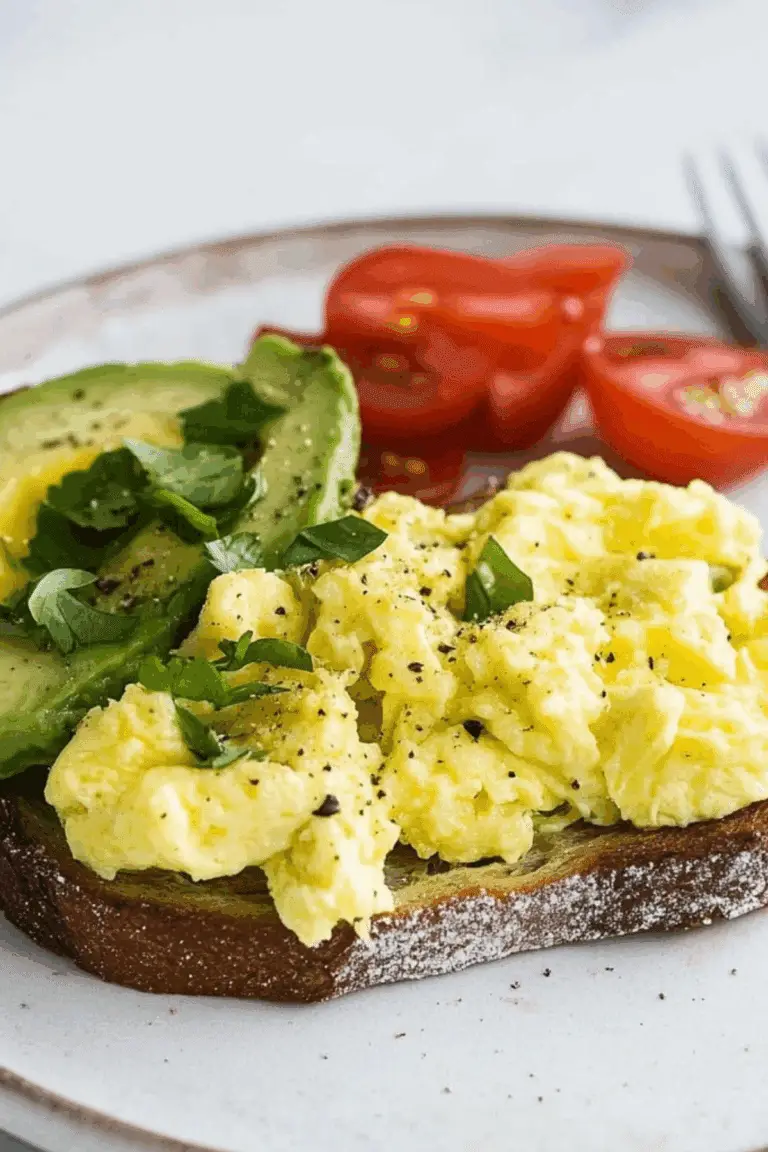
Spinach egg muffins are a simple, nutritious, and incredibly versatile breakfast option that fits perfectly into busy mornings. Packed with protein, leafy greens, and rich flavor, these bite-sized muffins are ideal for meal prep and on-the-go eating. Whether you are looking for a low-carb breakfast, a high-protein snack, or a healthy brunch idea, spinach egg muffins deliver on all fronts while being easy to customize.

Table of Contents
Why Spinach Egg Muffins Are the Perfect Breakfast
Spinach egg muffins are loved for their convenience and nutritional value. They are quick to prepare, easy to store, and can be reheated in minutes. This makes spinach egg muffins a go-to recipe for anyone trying to maintain a healthy lifestyle without spending too much time in the kitchen.
These muffins are naturally low in carbohydrates and high in protein, making them suitable for keto and low-carb diets. The addition of spinach provides essential vitamins like iron and vitamin K, while eggs offer high-quality protein and healthy fats. Together, these ingredients create a balanced and satisfying meal.
Another great advantage of spinach egg muffins is their flexibility. You can easily adjust the ingredients to suit your dietary needs or flavor preferences. Whether you prefer a cheesy version, a dairy-free option, or extra vegetables, spinach egg muffins can be adapted effortlessly.
Ingredients for Spinach Egg Muffins
• Eggs: The base of spinach egg muffins, providing structure, protein, and richness
• Fresh spinach: Adds nutrients, color, and a mild earthy flavor
• Feta cheese: Brings a tangy, creamy element that enhances the overall taste
• Milk or cream: Helps create a softer, fluffier texture
• Garlic: Adds depth and aromatic flavor
• Onion: Provides sweetness and balance to the savory ingredients
• Olive oil: Used for sautéing and adding healthy fats
• Salt: Enhances all the flavors in the spinach egg muffins
• Black pepper: Adds a mild spice and complexity
Alternative Ingredient Suggestions
If you need to customize your spinach egg muffins, there are several easy substitutions.
You can replace feta cheese with goat cheese, shredded cheddar, or mozzarella for a different flavor profile. For a dairy-free version of spinach egg muffins, simply omit the cheese or use a plant-based alternative.
Instead of spinach, you can use kale, Swiss chard, or arugula. Each green will slightly change the taste and texture but still work beautifully in egg muffins.
Milk can be substituted with almond milk, oat milk, or even coconut milk for a dairy-free option. If you want richer spinach egg muffins, you can use heavy cream instead.
For added protein, consider including cooked bacon, sausage, or diced ham. Vegetarians can add mushrooms, bell peppers, or zucchini for extra texture and flavor.
Step-by-Step Instructions for Spinach Egg Muffins
- Preheat your oven to 375°F (190°C). Lightly grease a muffin tin or line it with silicone muffin cups to prevent sticking. This step ensures your spinach egg muffins come out easily after baking.
- Heat a small amount of olive oil in a skillet over medium heat. Add chopped onion and cook until softened, about 3–4 minutes. Stir in garlic and cook for another minute until fragrant.
- Add the fresh spinach to the skillet and cook until wilted. This usually takes 2–3 minutes. Remove from heat and allow the mixture to cool slightly before adding it to the eggs.
- In a large bowl, crack the eggs and whisk them thoroughly. Add milk, salt, and black pepper. Whisk until the mixture is smooth and slightly frothy.
- Stir the cooked spinach mixture into the eggs. Add crumbled feta cheese and mix gently to distribute evenly throughout the batter.
- Pour the mixture evenly into the prepared muffin tin, filling each cup about three-quarters full. This allows room for the spinach egg muffins to expand as they bake.
- Place the muffin tin in the oven and bake for 18–22 minutes. The spinach egg muffins are done when the centers are set and a toothpick inserted comes out clean.
- Remove from the oven and allow the muffins to cool for a few minutes before removing them from the tin. This helps them hold their shape.
- Serve warm or allow them to cool completely before storing. Spinach egg muffins can be refrigerated for up to 4 days or frozen for longer storage.
Tips & Tricks for Perfect Spinach Egg Muffins
To achieve the best results, avoid overfilling the muffin cups. Spinach egg muffins will rise slightly during baking, and overfilling can cause them to spill over.
Make sure to sauté the spinach before adding it to the egg mixture. Raw spinach releases water during baking, which can make your muffins watery.
For fluffier spinach egg muffins, whisk the eggs thoroughly to incorporate air. This creates a lighter texture.
If you want to prevent sticking, silicone muffin liners or a well-greased non-stick pan work best. Paper liners may stick to the muffins.
When storing spinach egg muffins, allow them to cool completely before placing them in an airtight container. This prevents condensation and keeps them fresh longer.
To reheat, simply microwave for 20–30 seconds or warm them in the oven at a low temperature. This helps maintain their texture and flavor.
Pairing Ideas and Variations for Spinach Egg Muffins
Spinach egg muffins pair well with a variety of sides, making them suitable for breakfast, brunch, or even a light lunch.
Serve spinach egg muffins with fresh fruit, avocado slices, or a side salad for a balanced meal. Whole-grain toast or a breakfast wrap can also complement the muffins nicely.
For a spicy variation, add chili flakes or diced jalapeños to the egg mixture. This gives spinach egg muffins a flavorful kick.
If you prefer a Mediterranean twist, include sun-dried tomatoes, olives, and oregano. This enhances the flavor profile and pairs beautifully with feta cheese.
For a heartier option, add cooked quinoa or diced potatoes to the mixture. This makes spinach egg muffins more filling and satisfying.
Spinach egg muffins are also perfect for meal prep. You can make a batch at the beginning of the week and enjoy them throughout. They freeze well, so you can always have a healthy option ready.
Health Benefits of Spinach Egg Muffins
Spinach egg muffins are not only delicious but also packed with nutritional benefits. Eggs provide high-quality protein, which helps support muscle growth and keeps you feeling full longer.
Spinach is rich in vitamins and minerals, including iron, calcium, and antioxidants. These nutrients support overall health and boost energy levels.
The combination of protein and healthy fats in spinach egg muffins helps stabilize blood sugar levels, making them a great choice for sustained energy throughout the day.
Because spinach egg muffins are low in carbs and high in nutrients, they are ideal for those following a balanced or weight-conscious diet.
Make-Ahead and Storage Guide
One of the best features of spinach egg muffins is how well they fit into a meal prep routine.
After baking, allow the muffins to cool completely. Store them in an airtight container in the refrigerator for up to four days. For longer storage, freeze them in a freezer-safe bag or container.
To reheat frozen spinach egg muffins, microwave them for 60–90 seconds or warm them in the oven at 300°F (150°C) until heated through.
You can also prepare the egg mixture in advance and store it in the refrigerator overnight. In the morning, simply pour it into the muffin tin and bake fresh spinach egg muffins.
Common Mistakes to Avoid
Avoid skipping the step of cooking the vegetables. Raw vegetables release moisture and can lead to soggy spinach egg muffins.
Do not overbake the muffins. Overcooking can make them rubbery instead of soft and fluffy.
Be mindful of seasoning. Eggs need proper seasoning to bring out their flavor, so don’t forget salt and pepper.
Lastly, avoid using too many watery ingredients. Ingredients like tomatoes should be drained or used sparingly to maintain the right texture.
Spinach egg muffins are a reliable, nutritious, and delicious option for anyone looking to simplify their meals without sacrificing flavor. With endless customization options and easy preparation, they are sure to become a staple in your kitchen.
Conclusion: Why Spinach Egg Muffins Belong in Your Routine
Spinach egg muffins are the perfect balance of convenience, nutrition, and flavor. Whether you are preparing meals ahead of time or looking for a quick breakfast option, these muffins offer a reliable solution that fits into almost any lifestyle.
Their high protein content, combined with the nutrients from leafy greens, makes spinach egg muffins a smart choice for maintaining energy throughout the day. They are easy to customize, simple to prepare, and suitable for a variety of dietary preferences.
From busy weekday mornings to relaxed weekend brunches, spinach egg muffins provide a wholesome and satisfying option that you can enjoy anytime. Once you try them, they are likely to become a regular part of your meal rotation.
Frequently Asked Questions About Spinach Egg Muffins
How do you keep spinach egg muffins from getting watery?
To prevent watery spinach egg muffins, always cook the spinach before adding it to the egg mixture. This removes excess moisture. Also, avoid adding too many high-water ingredients like tomatoes unless they are properly drained.
Can spinach egg muffins be frozen?
Yes, spinach egg muffins freeze very well. Allow them to cool completely, then store them in an airtight container or freezer bag. When ready to eat, reheat in the microwave or oven until warmed through.
How long do spinach egg muffins last in the fridge?
Spinach egg muffins can be stored in the refrigerator for up to four days. Keep them in an airtight container to maintain freshness and prevent them from drying out.
Can I make spinach egg muffins without cheese?
Absolutely. Spinach egg muffins can be made without cheese for a dairy-free option. You can enhance flavor by adding herbs, spices, or extra vegetables like mushrooms or bell peppers.
More Relevant Recipes
- Strawberry Danish Recipe – Easy & Delicious Pastry
- Donut Apples with Peanut Butter: A Delicious, Healthy Snack
- Strawberry Glazed Donuts – Sweet & Fluffy Delight
Spinach Egg Muffins: Easy

Spinach egg muffins are a quick, healthy, and protein-packed breakfast made with eggs, fresh spinach, and feta cheese. Perfect for meal prep, these savory muffins are low-carb, easy to customize, and ideal for busy mornings.
- Prep Time: 10 minutes
- Cook Time: 20 minutes
- Total Time: 30 minutes
- Yield: 12 muffins 1x
- Category: Breakfast
- Method: Baking
- Cuisine: American
- Diet: Low Calorie
Ingredients
- 8 large eggs
- 2 cups fresh spinach, chopped
- 1/2 cup feta cheese, crumbled
- 1/4 cup milk (or almond milk)
- 1/4 cup onion, finely chopped
- 2 cloves garlic, minced
- 1 tablespoon olive oil
- 1/2 teaspoon salt
- 1/4 teaspoon black pepper
Instructions
- Preheat oven to 375°F (190°C) and grease a 12-cup muffin tin or use silicone liners.
- Heat olive oil in a skillet over medium heat, then sauté chopped onion for 3–4 minutes until softened.
- Add minced garlic and cook for 1 minute until fragrant.
- Add chopped spinach and cook until wilted, about 2–3 minutes. Remove from heat and let cool slightly.
- In a large bowl, whisk eggs, milk, salt, and black pepper until fully combined.
- Stir in the cooked spinach mixture and crumbled feta cheese.
- Pour the mixture evenly into the muffin cups, filling each about 3/4 full.
- Bake for 18–22 minutes or until the centers are set and a toothpick comes out clean.
- Let cool for a few minutes before removing from the muffin tin. Serve warm or store for later.
Notes
- Always cook spinach beforehand to avoid excess moisture in the muffins.
- Use silicone muffin liners for easy removal and less sticking.
- Store in an airtight container in the fridge for up to 4 days.
- Freeze for up to 2 months and reheat before serving.
- Customize with vegetables like bell peppers or mushrooms for extra flavor.
Nutrition
- Serving Size: 1 muffin
- Calories: 90 kcal
- Sugar: 1 g
- Sodium: 180 mg
- Fat: 6 g
- Saturated Fat: 2 g
- Unsaturated Fat: 3.5 g
- Trans Fat: 0 g
- Carbohydrates: 2 g
- Fiber: 0.5 g
- Protein: 7 g
- Cholesterol: 140 mg